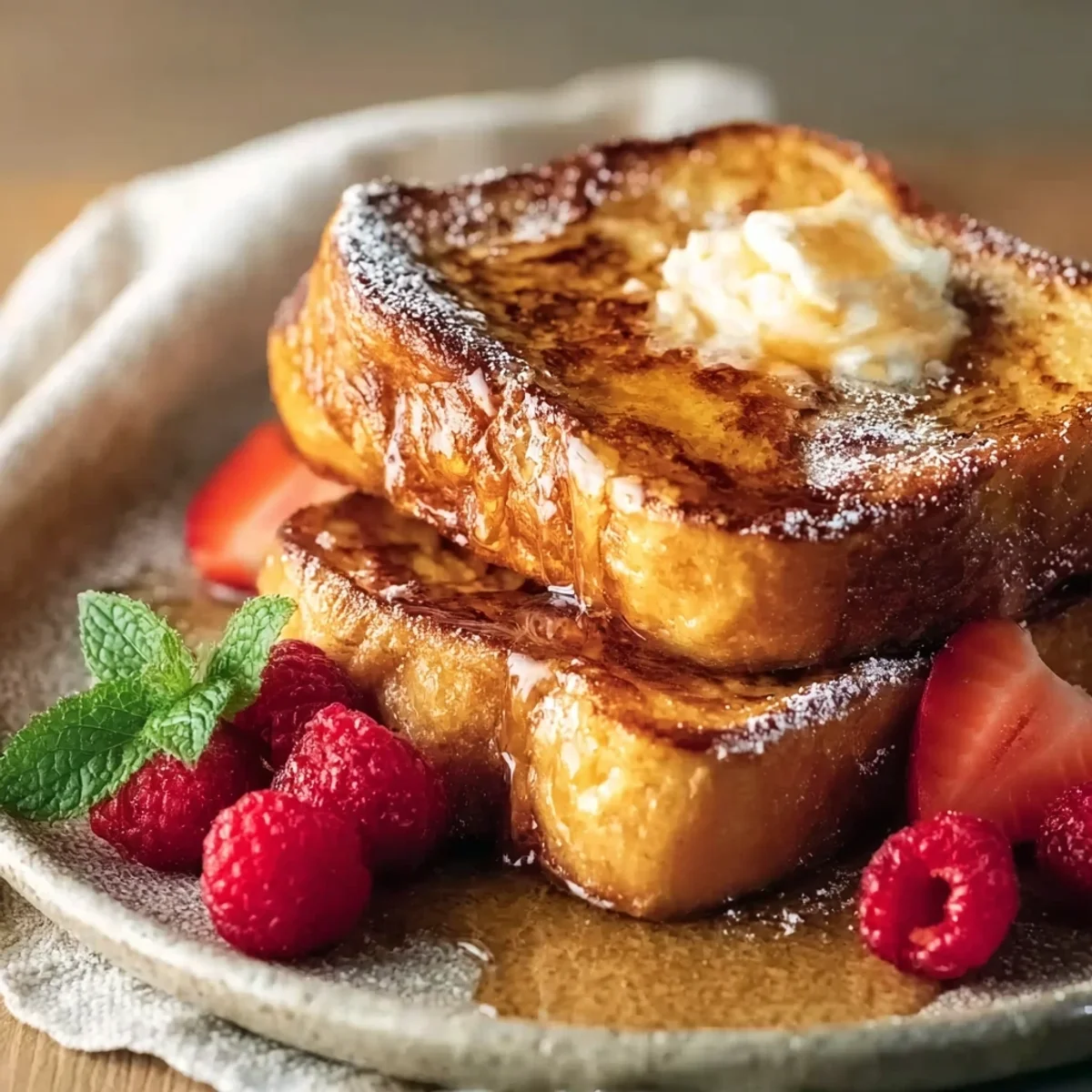


There’s something about a Saturday morning, slow and hazy, that just screams for a plate of something special. For me, that’s almost always Quick French Toast. I remember trying to make it for the first time in college, thinking it was just bread and eggs. Oh, the horror! My first attempt was a soggy, eggy mess. Honestly, I didn't expect that. But over years of kitchen chaos and a few “oops” moments, I've landed on a version that's become a true comfort. It’s that blend of sweet, soft, and slightly crispy, a dish that feels like a warm hug, even when the morning is anything but.
One time, I was so excited to make this dish for a friend, I completely forgot to add sugar to the batter. We took our first bites, looked at each other, and just burst out laughing. It was... savory. We ended up drizzling so much maple syrup on it, it basically became syrup-soaked bread. Live and learn, right? Now, I always do a little taste test of the batter, just to be sure.
Ingredients for Quick French Toast
- Thick-Cut Bread: This is the backbone of good French toast. Brioche or challah are my favorites, they soak up the custard without falling apart. Honestly, don't use thin sandwich bread unless you want a soggy disaster. I learned that the hard way!
- Whole Milk: Don't use skim milk, just don't. The fat in whole milk gives you that creamy, rich texture. I tried almond milk once, and it worked... kinda, but it wasn't the same. For that classic taste, whole milk is key.
- Large Eggs: The binder! Use fresh eggs, they just make everything better. I’ve accidentally used old eggs before, and the batter just felt… off. Fresh eggs mean a beautifully set custard.
- Granulated Sugar: Just enough to sweeten the bread, not make it cloying. I sometimes add a tiny bit more if I'm feeling extra sweet, but start with the recipe amount.
- Vanilla Extract: A non-negotiable flavor booster. The aroma alone when you add it to the batter is heavenly. I swear by pure vanilla extract, imitation just doesn't hit the same.
- Ground Cinnamon: This spice just screams "breakfast." A good pinch adds warmth and that classic French toast scent. More is more, in my opinion, but you do you!
- Unsalted butter: For cooking! Butter gives the toast that beautiful golden crust and rich flavor. Using unsalted means you control the salt content in the dish.
Making Quick French Toast, My Way
- Whisk the Wet Wonders:
- Alright, first things first! Grab a shallow dish or pie plate something wide enough to dunk your bread. Whisk together the eggs, whole milk, granulated sugar, vanilla extract, and ground cinnamon until everything is nicely combined and smooth. No lumpy egg bits, please! This is where the magic starts to happen, you can already smell that sweet vanilla and spice. I always take a quick sniff, honestly, it gets me excited for the breakfast to come.
- Soak the Slices:
- Now for the bread. Gently place each slice into your egg mixture, letting it soak for about 20-30 seconds per side. You want the bread to absorb the custard, but not become completely waterlogged. If your bread is thinner, less time. If it’s thick-cut brioche, give it a little longer! I once rushed this, and the center was dry oops! This step is crucial for truly delicious Quick French Toast.
- Heat the Pan:
- Melt a pat of unsalted butter in a large non-stick skillet or on a griddle over medium heat. You want it warm enough to sizzle the butter but not so hot that it burns. A little patience here pays off. I've definitely thrown butter into a screaming hot pan and had it turn brown too fast, leading to burnt bits on my toast. Not ideal!
- Cook to Golden Perfection:
- Carefully place your soaked bread slices into the hot pan, giving them a bit of space. Cook for about 2-4 minutes per side, until they're beautifully golden brown and the center feels set. You’ll see the edges firm up. That gorgeous browning? That’s flavor! Flip them gently, you don't want to lose all that lovely custard. The kitchen starts to smell absolutely divine at this point!
- Keep 'Em Warm (or Not!):
- As each batch of toast finishes cooking, you can transfer them to a baking sheet in a warm oven (around 200°F/95°C) to keep them toasty while you finish the rest. Honestly, sometimes I just stack them on a plate and we eat as they come off the pan. It's all part of the casual charm of a homemade breakfast, right?
- Serve It Up:
- Pile those golden beauties high! Serve your French toast immediately with your favorite toppings. Maple syrup is a must for me, but don't be afraid to get creative. Fresh berries, a dollop of whipped cream, or a dusting of powdered sugar just elevate the whole experience. Enjoy your delicious morning creation!
I remember one time my son, still tiny, helped me dunk the bread for this recipe. Eggs went everywhere, flour was involved somehow (don't ask), and the kitchen was a glorious mess. But seeing his little face light up when he ate the "toast we made together" was everything. Those messy moments? They’re the ones that stick, honestly.
Storing Your Quick French Toast
Leftover French toast? It happens, sometimes! I've learned a few things the hard way. Stored in an airtight container, it keeps in the fridge for about 2-3 days. Reheating is where it gets tricky. I microwaved it once, and it turned soggy and sad so don't do that, lol. The best way to revive it is in a toaster oven or even a regular oven at 350°F (175°C) for about 5-10 minutes. This brings back some of that exterior crispness. You can also freeze individual slices in a single layer on a baking sheet before transferring them to a freezer bag for up to a month. Just pop them in the toaster for a super fast breakfast!

Quick French Toast Ingredient Swaps
I've definitely experimented with ingredient swaps, sometimes out of necessity, sometimes just curiosity. For the milk, if whole milk isn't an option, a rich oat milk or full-fat coconut milk can work, though they'll impart their own subtle flavor. I tried skim milk once, and it just made the toast taste watery, so avoid that unless you have no other choice. If you're out of vanilla extract, a tiny pinch of nutmeg or cardamom can add a different but equally lovely warmth. And for bread, while brioche is king, a day-old challah or even a sturdy sourdough can make a fantastic French toast. Just adjust soaking time!
Serving Suggestions
Oh, the fun part! For me, Quick French Toast is always served with a generous pour of real maple syrup none of that corn syrup stuff, please! But don't stop there. Fresh berries like strawberries, blueberries, or raspberries add a lovely tart contrast. A dollop of freshly whipped cream or a sprinkle of powdered sugar makes it feel extra special, like a fancy brunch at home. Sometimes, I'll even add a side of crispy bacon or sausage for that sweet and savory balance. And for a drink? A strong cup of coffee or a glass of fresh orange juice. This dish and a good book on a Sunday morning? Yes please. It sets the mood for a relaxed day.
The History of French Toast
You know, calling it "French" toast is a bit of a misnomer, as similar dishes have popped up in various cultures for centuries as a way to use up stale bread. The Romans had a version called "Pan Dulcis." In medieval Europe, it was a common way to make bread edible again, often soaked in wine or water before frying. The "French" connection comes from a man named Joseph French, who supposedly invented it in America in 1724 and, lacking an apostrophe, named it "French's Toast." My own connection to this dish isn't quite as historic, but it feels like a tradition in my family now. It's a testament to simple ingredients and clever cooking, turning something humble into something truly delicious and comforting for everyone.
There you have it, my take on Quick French Toast. It’s more than just a breakfast, it’s a little slice of joy, a reminder of slow mornings and good company. Making this dish brings a smile to my face every time, even with the occasional eggy mishap. I hope it brings some warmth and deliciousness to your kitchen too. Give it a whirl, tweak it to your heart's content, and tell me how your breakfast adventure goes!

Frequently Asked Questions
- → Can I make the Quick French Toast batter ahead of time?
Absolutely! I often whisk up the batter the night before and keep it covered in the fridge. It saves so much time in the morning. Just give it a quick whisk again before you dunk your bread to make sure everything is well combined.
- → What's the best bread for this recipe?
Honestly, a thick-cut brioche or challah is king for French toast. They're rich, slightly sweet, and sturdy enough to soak up the custard without falling apart. I've tried sourdough, and it works, but it gives a tangier flavor.
- → Why is my French toast soggy in the middle?
Ah, the dreaded soggy middle! It usually means your bread soaked too long, or your pan wasn't hot enough. Make sure your pan is at medium heat, and don't overcrowd it. This allows for even cooking and a golden exterior.
- → How do I reheat leftover French toast?
My go-to is the toaster oven or a regular oven at 350°F (175°C) for about 5-10 minutes. It brings back that lovely crispness. I made the mistake of microwaving once, and it just became a sad, rubbery mess. Don't repeat my error!
- → Can I make French toast without eggs?
You can! I've seen recipes using mashed banana or flax "eggs" for a vegan version. The texture will be a bit different, but it's a great option if you have dietary restrictions. Experiment and see what you like!